

Many buyers, especially in bulk purchases, face challenges such as quality differences, fluctuating technical specifications, or product failure to meet expected standards; issues that, if chosen incorrectly, can lead to increased costs and reduced productivity.
This page is designed to help you make informed decisions; not just to introduce the product, but to provide a clear path to evaluate quality, identify the right option based on the type of consumption, and understand the criteria that a reputable supplier should have. In the following, an attempt has been made to provide an accurate and practical picture of what is important in choosing this product, based on a practical perspective and real experience in the field of production and export.
What is Paraffin wax and why is it important in industries?
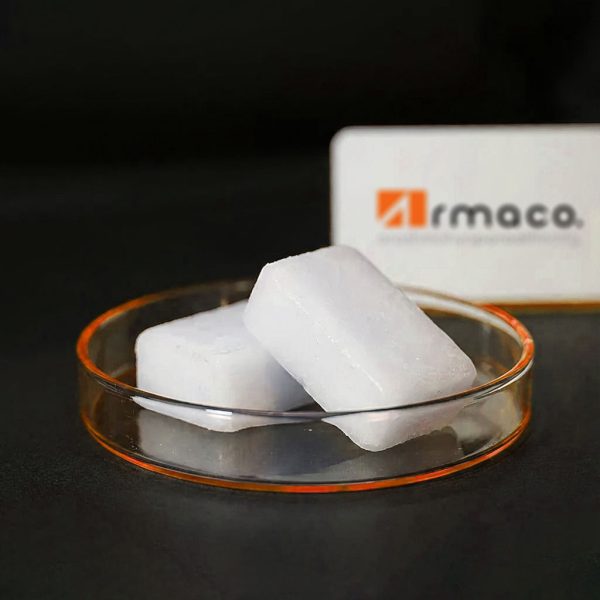
Paraffin wax is a hydrocarbon compound obtained from petroleum processing that is known as a basic material in a wide range of industries due to its stable structure, controllable melting point, and uniform behavior in thermal processes. Contrary to the consumer view that considers this material to be limited solely to candle making, in industrial and export applications, paraffin plays the role of a functional and strategic material.
The importance of this product in the industry is due, above all, to Ability to control physical properties It returns. Paraffin wax can be used as a protective coating, stabilizing agent, insulator, lubricant or base material in various formulations. This variety of functions has led to numerous industries, including packaging, hygiene, pharmaceuticals, textiles, rubber and even the export of semi-finished materials, having a direct dependence on the quality and stability of this material.

From an industrial perspective, the issue is not just the "existence of paraffin", but Type, purity, oil percentage, crystal uniformity and stability of specifications in continuous supply It is important. In mass production or export, the slightest fluctuation in these characteristics can lead to a change in the behavior of the final product, a drop in quality, or a lack of acceptance in the target market. For this reason, understanding the nature of this material and the difference between industrial and consumer perspectives is the first step in making a sound purchasing decision.
In the following sections, the types of this product will be examined based on actual use to determine what each type is suitable for and what criteria should be considered when selecting it.
Technical specifications of paraffin
Feature | Solid state | Liquid state |
Melting temperature range | – | 56–60 °C |
Latent heat of fusion | – | 150 kJ/kg |
Density | 861 kg/m³ | 778 kg/m³ |
Specific heat capacity | 1850 J/kg·K | 2380 J/kg·K |
Thermal conductivity | 0.4 W/m·K | 0.5 W/m·K |
These characteristics indicate that paraffin is a suitable choice for thermal storage applications and low-loss heat transfer systems in the temperature range of 56 to 60 °C. The higher heat capacity in the liquid phase and relatively low thermal conductivity allow energy to be absorbed and released in a controlled manner, which is of great importance in industrial and solar energy applications.
Types of Paraffin wax based on actual application
When making a purchasing decision, it is not enough to categorize Paraffin wax based solely on the product name or appearance. What matters in practice is, Suitability of paraffin type to end use Each industry requires different specifications of this material, depending on process conditions, quality requirements, and target market standards. Ignoring these differences is one of the main reasons for buyer dissatisfaction in bulk and export purchases.
Below, common types of this product are reviewed based on actual use.
Industrial Paraffin wax
This type of paraffin is designed for use in manufacturing and industrial processes where performance stability, repeatability, and equipment compatibility are of high importance. Industrial Paraffin wax is commonly used in coatings, insulation, lubrication, rubber industries, and some chemical processes.
In these applications, factors such as Specific melting point, controlled oil percentage and uniform behavior at different temperatures It is of vital importance. Incorrect selection in this section can cause disruption to the production line or reduce the quality of the final product.
Sanitary and edible Paraffin wax
In the healthcare, cosmetic, pharmaceutical and some food applications, the level of quality sensitivity is much higher. In these cases, paraffin must be verified for purity, odorlessness, tastelessness and compliance with safety requirements.
For this type of consumption, Strict control of the production process and compliance with relevant standards It plays a decisive role. Using inappropriate paraffin in this area can lead to product rejection in the market or quality and legal problems.
Exported Paraffin wax
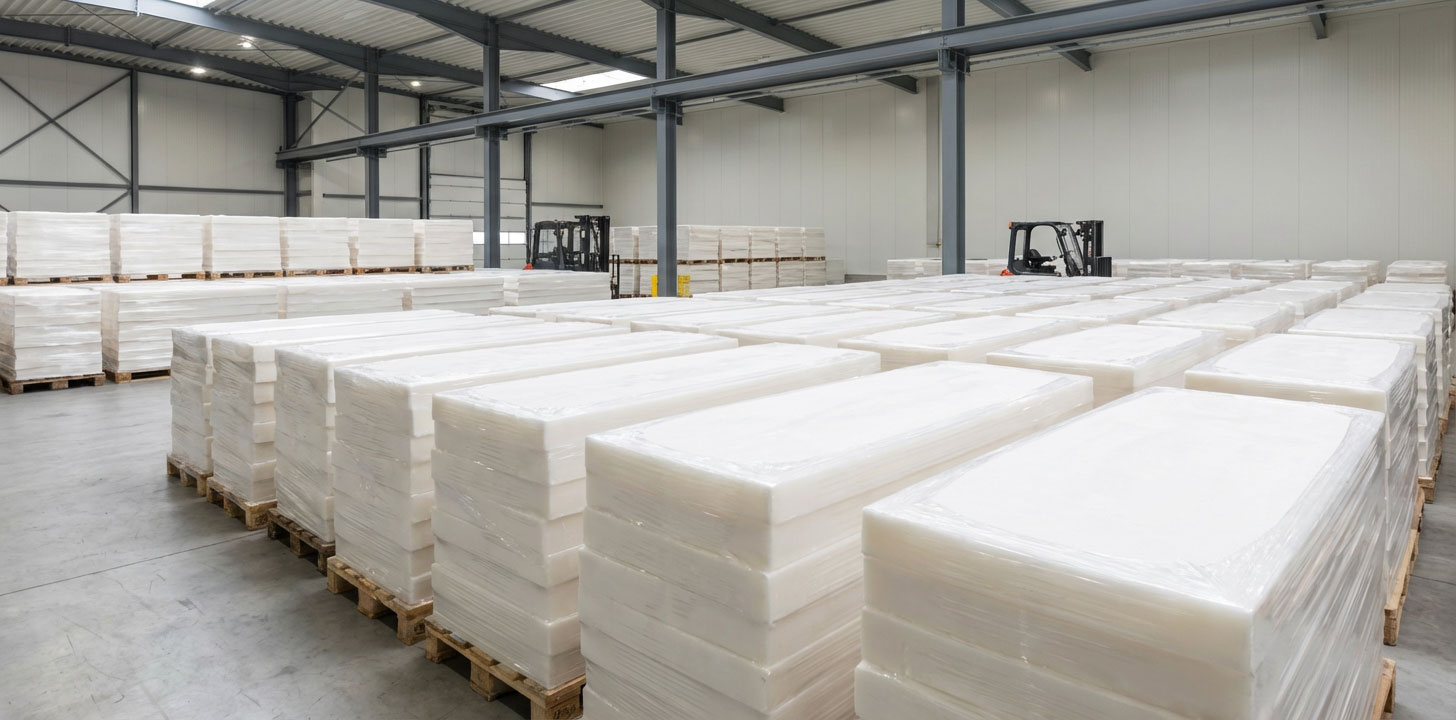
Export paraffin is not necessarily a separate type in terms of chemistry, but must meet a set of conditions at the same time. Consistency of quality in each batch, compliance with international standards, proper packaging and the ability to continuously supply are the main requirements for this type of paraffin.
In international markets, buyers are more concerned with Reliability of the supplier and uniformity of product specifications. For this reason, the paraffin selected for export must be able to meet the needs of the target market over time, without noticeable changes in characteristics.
Technical specifications that determine the quality of Paraffin wax
In professional purchases, especially for industrial or export use, the quality of Paraffin wax is not determined by its appearance or brand name. Measurable technical specifications These are the factors that determine the behavior of the material in the production process and directly affect the final result. Familiarity with these indicators helps the buyer select the right product and minimize operational risks.
Melting point and thermal uniformity
Melting point is one of the most important performance indicators. A paraffin with a precise and stable melting point behaves predictably in thermal processes. Fluctuations in this parameter can cause uneven melting, coating defects, or changes in the properties of the final product. In bulk purchases, melting point uniformity across batches is particularly important.
Oil percentage and substance purity
The percentage of oil in a Paraffin wax has a direct impact on its clarity, hardness, and stability. Paraffins with controlled oil percentages perform better in sensitive applications and are less likely to develop odor, discoloration, or quality degradation. Higher purity typically means greater applicability across a wider range of industries and reduced technical limitations.
Crystal structure and product appearance
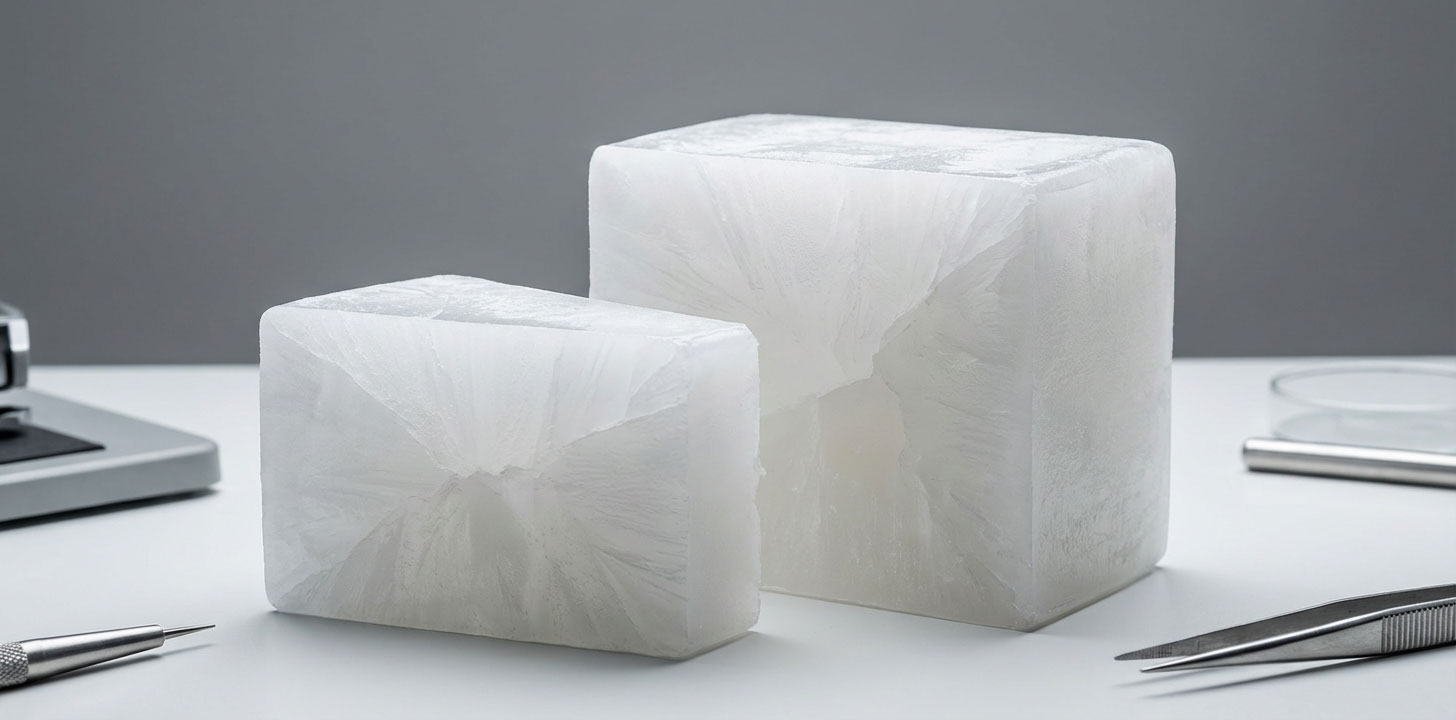
A regular crystal structure indicates a proper manufacturing and refining process. Paraffin with a more uniform and clear crystal structure usually has a higher quality consistency. This characteristic is especially key in applications where the appearance or uniformity of the final product is important.
Quality stability in continuous supply
One of the main challenges for industrial buyers is the change in technical specifications in successive orders. A Paraffin wax that remains constant in terms of composition, melting point and oil percentage over time allows for production planning and maintenance of the quality of the final product. This indicator depends more than anything on the technical and control capabilities of the supplier.
Criteria for selecting the right Paraffin wax for purchase
After knowing the types and technical specifications, the next step in the purchasing process is Matching the product to the actual needs of the consumer Many quality problems occur when paraffin is selected solely based on price or availability, rather than on practical criteria. In this section, the most important indicators that should be checked before purchasing are reviewed in an operational manner.
Selection based on type of consumption
The first and most important criterion is the end use. The paraffin selected for industrial use is not necessarily suitable for hygienic or sensitive applications. It is necessary to determine under what temperature conditions the product will be used, whether it will be in direct contact with the final product or merely as an intermediate or coating, and to what extent physical stability is important. The answers to these questions will significantly narrow and refine the scope of selection.
Selection based on target market
In purchases made for distribution or export, the requirements of the destination market are particularly important. Some markets are sensitive to specific technical specifications, specific packaging, or quality consistency over long periods of time. Choosing a paraffin that does not meet these expectations, even at a reasonable price, can lead to product rejection or order returns.
Reviewing quality standards and requirements
The existence of valid standards and clear control processes is a sign of product reliability. Paraffin produced under continuous quality control reduces the risk of fluctuations in technical specifications. For professional buyers, this is especially important in long-term contracts and bulk purchases, as any sudden change can affect the entire supply chain.
The role of the supplier in the purchasing decision
Ultimately, choosing the right paraffin is not complete without evaluating the supplier. Production experience, ability to respond to specific needs, stability of supply and transparency in technical specifications are factors that influence the quality of the purchasing decision beyond the product itself. In many cases, working with a reliable supplier significantly reduces technical and commercial risks.
Why paraffin quality is crucial in bulk purchasing and export
In bulk purchases, especially in the export route, the quality of Paraffin wax is no longer a competitive advantage, but An unavoidable requirement At this level of supply, any instability or deterioration in quality can have consequences beyond a failed order and directly impact business reputation, operating costs, and continued collaboration.
Direct impact on the final product and production process
In mass production, paraffin is part of an interconnected chain. A small change in technical specifications can change the behavior of the material in the production line; from uneven melting to reduced coating uniformity or loss of appearance quality. This not only increases waste, but also increases the time and cost of process correction.
Reducing risk in long-term contracts
In bulk transactions, buyers usually seek stable cooperation. Consistent quality over time allows for precise production and delivery planning. In contrast, using paraffin of unstable quality increases the risk of production stoppages, delivery delays and even contract termination. For this reason, many professional buyers prefer quality stability over low price.
Requirements of international markets
In exports, quality is not just about customer satisfaction. International markets often have more stringent standards, and non-conformance can lead to shipment rejection or legal restrictions. The paraffin selected for export must be able to meet these requirements consistently and without fluctuations.
The role of quality in supplier reputation
Ultimately, the quality of paraffin is directly tied to the supplier’s reputation. One failed shipment can undermine years of efforts to build trust. For this reason, in bulk and export purchases, quality is not just a technical feature, but also part of the business strategy.
Competitive advantage of supplying Paraffin wax from Arash Mahya
In the Paraffin wax market, the main difference between options is not simply price or product name, but rather Supplier's level of expertise, quality consistency, and ability to respond to industrial and export needs It makes sense. Arash Mahya Focusing on the production and export of industrial waxes, it takes a different approach than general raw material sellers.
Real experience in production and export
With over 17 years of experience in manufacturing and exporting industrial waxes, Arash Mahya has a thorough understanding of the requirements of international markets and the needs of professional consumers. Exporting over 90% of its products to various markets around the world, this experience has turned into an operational advantage; an advantage that is directly reflected in the selection of raw materials, quality control, and product stability.
Focus on consistent quality, not one-off sales
In supplying Paraffin wax for industrial or export use, the most important concern for buyers is the repeatability of quality in successive orders. Arash Mahya's approach is based on process control, production standardization, and elimination of quality fluctuations; an issue that enables long-term planning for buyers and reduces operational risks.
Covering diverse needs in the field of industrial waxes
In addition to Paraffin wax , the group also specializes in related products, allowing it to provide options tailored to different applications. For example, where a different structure or function is required, the use of Paraffin wax It could be a more logical choice.
Business cooperation based on trust
The ultimate competitive advantage is not simply summarized in the technical specifications of the product, but also in the way of business interaction. Adherence to commitments, transparency in providing technical information, and a long-term view of cooperation are factors that have made Arash Mahya a reliable option for industrial and export buyers.