

Liquid paraffin is a chemical compound used in some products as a softening and skin-protecting agent. It is based on mineral oil and is available in various forms on the market.
In this article, we will examine the different types of liquid paraffin. Among the items examined are sanitary, industrial, and edible liquid paraffin. It will be useful and necessary to examine the properties and applications of each type of liquid paraffin in order to provide complete and comprehensive information about this material.

Definition of paraffin
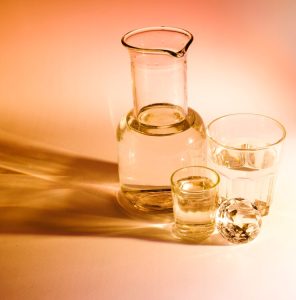
Liquid paraffin is a clear, odorless oil that is highly refined and used in the cosmetic and medical industries. It is obtained from a mineral source and is highly distilled. Liquid paraffin is a byproduct of refining crude oil to produce gasoline and other petroleum products.
Crude oil is extracted naturally from the ground and, after being purified and converted into liquid paraffin, is nothing like the original crude oil. Liquid paraffin is less hazardous than gasoline and boils at a temperature of 150-275 degrees Celsius. It can be extracted from various sources such as coal, wood and oil shale, but is most often obtained by distilling crude oil.
Liquid paraffin is composed of alkanes, which are a group of hydrocarbons with the chemical formula CnH2n+2.
Types of liquid paraffin
Sanitary liquid paraffin or sanitary mineral oil is odorless, colorless and tasteless and is prepared in pure form. This type of paraffin is used in laboratories and in the cosmetic, health and pharmaceutical industries. The use of sanitary liquid paraffin in cosmetics and hygiene is much more important than its other uses.
Industrial liquid paraffin: Also known as crouzon, it contains fewer impurities than sanitary grade and has a diesel-like odor. This type of liquid paraffin is mainly used in the lubrication of large industrial machines and equipment.
Application of liquid paraffin
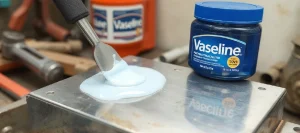
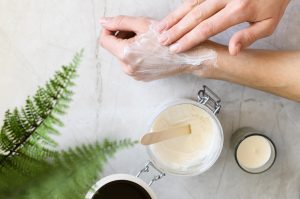
- Cosmetic uses: Liquid paraffin is used in the cosmetic industry, for example in the production of emollient creams, Vaseline, emollient lotions, and paraffin skin therapy.
- Medicine and Pharmaceuticals: Liquid paraffin or mineral oil is used in the production of some medications, such as laxatives and anti-constipation medications. Also, the use of paraffin helps in X-ray imaging, making internal organs easier to see.
- Uses in factories and manufacturing industries: Liquid paraffin, also known as kerosene, is used in battery, rubber, adhesive, paint, and candle manufacturing plants. It is also used to lubricate industrial machines and equipment.
- Use as fuel: Mineral oil is used in the defense industry as a fuel in jet and rocket engines. Since mineral oil is less hazardous than gasoline and burns cleaner, it is used in these industries. It is also used as the main fuel in central heating systems and gas stoves.
In addition, liquid paraffin is used in other applications, including:
- Solvent for the production of greases
- Production of insecticides
- Use for cooling purposes in electrical systems
- Lubrication of sewing wheels and weaving machines in textile industries
- Manufacturing pesticides in the agricultural industry
- Production of stationery such as paper
- Brightening citrus fruits
- Making an air filter
- Use in infrared spectroscopy
- Cable manufacturing
- Foundry industries
The difference between industrial liquid paraffin and sanitary liquid paraffin
Industrial liquid paraffin is usually used for lubrication and has a similar smell to diesel. But sanitary liquid paraffin is colorless and odorless and completely pure and is used for sanitary purposes. Sanitary liquid paraffin is refined and free from impurities found in industrial liquid paraffin. It is used in laboratories and for sanitary and cosmetic purposes. This type of sanitary liquid paraffin is also known as edible liquid paraffin.
Difference between solid and liquid paraffin
Solid paraffin is different from liquid paraffin. Solid paraffin, as its name suggests, is a non-flammable solid or gel-like substance that burns slowly. On the other hand, liquid paraffin or mineral oil is used as a flammable liquid. Solid paraffin is available in different forms and colors in the market. However, paraffin is transparent and white and is generally purchased in bulk from reputable chemical suppliers such as Arash Mahya Trading Company.
Advantages of liquid paraffin
Mineral oil is less hazardous than gasoline and burns cleaner. It can withstand very high heat and produces less smoke than other fuels. Paraffin is odorless, which is why it is used in a variety of applications.
Products containing liquid paraffin
There are many products on the market that contain liquid paraffin. This ingredient is most often used in creams and lotions formulated for dry skin. In addition to eczema creams, liquid paraffin may also be used in diaper rash creams, body lotions, makeup removers, lip care products, and other products.
Things to consider when preparing liquid paraffin
Store liquid paraffin in a dry place away from heat and sunlight, and make sure the lid of the can is tightly closed. Wear gloves, a mask, and protective clothing when working with liquid paraffin or other chemicals. Do not eat, drink, or smoke in the storage area. In case of contact with skin or eyes, immediately flush the area with plenty of water. If swallowed, go to a hospital emergency room immediately.
Purchase of liquid paraffin
Liquid paraffin products can be purchased and sold in person and online. To purchase, you can send your order to Arash Mahya Trading Company, a chemical supplier. Mineral oil is available in a variety of packaging and volumes. When purchasing liquid paraffin, carefully consider your intended use and select the product accordingly, as mineral oil comes in industrial, health, and food grades with different properties and characteristics.
Final words
In short, it is important to know the different types of liquid paraffin and understand their properties and uses. This article attempts to provide comprehensive and accurate information to help readers achieve the best results by choosing the most appropriate type of liquid paraffin for their needs.
Given the differences between sanitary, industrial, and edible liquid paraffin, it is essential to have a basic understanding of the characteristics and uses of each of them. In this regard, Arash Mahya Manufacturing Company is ready to answer the questions of our valued customers.
Frequently Asked Questions
Question 1: What is liquid paraffin?
Answer: Liquid paraffin is a chemical compound produced from mineral oil and is used in some products as a skin softening and protective agent.
Question 2: What are the uses of industrial liquid paraffin?
Answer: Industrial liquid paraffin is used in various industries, including in the production of cosmetic and hygiene products and as a softening agent in diapers and body lotions.
Question 3. What are the uses of edible liquid paraffin?
Answer: Edible liquid paraffin is used in some foods such as laxatives and consumer products such as lip protectants, lip moisturizers, and lip gloss enhancers.
Question 4. Can using liquid paraffin in skin care products cause allergies?
Answer: In general, the use of liquid paraffin in skin care products does not usually cause allergies, but allergic reactions may occur in some individuals. If any sensitivity or allergy occurs, use of the product should be discontinued.
Question 5. Does the presence of edible liquid paraffin in food cause any problems?
Answer: Edible liquid paraffin, which is commonly used in edible products, must be manufactured in accordance with sanitary standards to be safe for use in foods.