
Paraffin is a group of hydrocarbon compounds obtained from crude oil or other natural materials. These solid compounds include a variety of ring and chain structures, and there are different types of paraffin based on different physical and chemical properties.
Paraffins have a variety of applications in the food industry, electronics industry, oil and gas industry, and other industries. Due to the unique properties and characteristics of paraffin, these compounds are of great importance and are used in various industries as raw materials or final products.
Definition of paraffin
Paraffin is known as a saturated hydrocarbon compound in which all the carbon atoms in the molecule are connected to each other by single bonds. The other bonds are saturated with hydrogen atoms. Paraffins or paraffinic hydrocarbons are called alkanes. Their chemical formula is CnH2n+2.
Types of paraffin
Types of paraffin: block paraffin or acidic solid paraffin
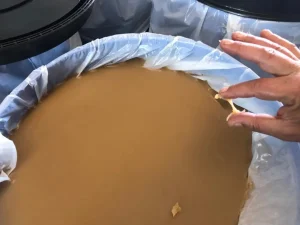
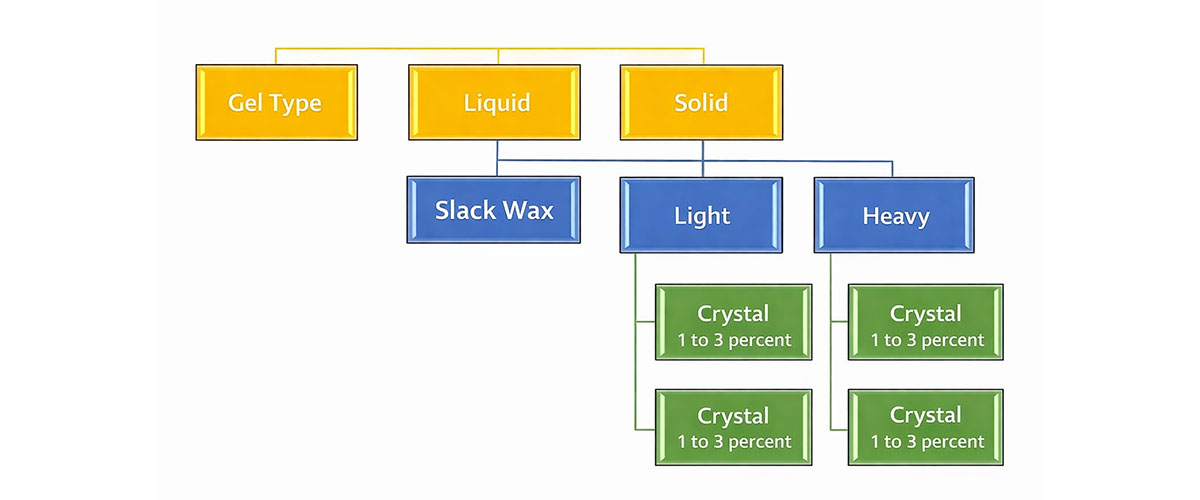
Hard paraffin is a type of paraffin that is made from slack wax, a raw material from petroleum processing. This type of paraffin is acidic and is used in the candle-making industry. Hard paraffin is divided into different types according to the percentage of fat or oil used in it.
The classification of solid paraffin types based on fat percentage is as follows:
- Paraffin, half to one percent fat
- Paraffin one to three percent fat
- Paraffin three to five percent fat
- Paraffin five to seven percent fat
This classification is based on the percentage of fat or oil used in the paraffin. The lower the fat content, the higher the purity and transparency of the solid paraffin and the better its quality.
Solid paraffin is colorless, odorless, and tasteless, and its melting point is around 58 to 60 degrees Celsius. At temperatures around 50 to 55 degrees Celsius, solid paraffin hardens.
To check the quality of solid paraffin, you can break it and examine the crystal grains inside. The whiter and sugarier the grains, the higher the quality of the paraffin.
Application of molded or solid acidic paraffin:
- Candle making industry
- Paint and dyestuff industry
- Cosmetics industry (such as lotions and skin creams)
- Rubber industry (as a separating agent in the rubber production process)
- Plastics industry (as a separating and protective agent in the plastic parts production process)
- Classification and packaging industry (as a molding material in the production of plastic and metal molds)
- Water treatment and surface protection industry (such as protecting wooden and metal surfaces from water and moisture)
- Food industry (such as preservatives in food packaging and storage)
- Pharmaceutical industry (as a preservative and molding agent in the production of medicines)
- Industries related to the protection of electronics and electrical components (as insulation and protection against moisture and water)
Types of paraffin: Crystal paraffin
Crystalline paraffin is preferred over block paraffin in the production of paraffin candles due to its greater transparency, higher melting point, and better purity. Dyes dissolve better in this type of paraffin and are more transparent. Therefore, crystalline paraffin is used in a wider variety of applications due to its greater flexibility and better quality, and is often offered at a higher price.
The following are important applications of crystalline paraffin:
- Candle making industry
- Flooring industry
- Water rinsing and surface protection industry
- Classification and packaging industry
- Rubber industry
Difference between solid and crystal paraffin
Crystalline paraffin and regular paraffin differ in several aspects. Crystalline paraffin has the lowest fat content and is more resistant. It also has a longer burn time and better colorfastness than regular paraffin. Crystalline paraffin is produced from crude oil, while regular paraffin is extracted from oil waste. Regular paraffin is less refined than crystalline paraffin and is darker and more opaque in appearance. In addition, the price of regular paraffin is lower than crystalline paraffin.
Types of paraffin: Paraffin jelly
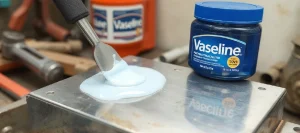
Paraffin is used in glass candles with high transparency and greater decorative ability. It also has a longer burn time than solid paraffin. This type of paraffin is temperature sensitive and vulnerable to high heat. Indirect heat, such as steam or a bain-marie, is used to melt it.
Specifically, when exposed to high heat, paraffin is damaged and its color changes from clear to yellow. This can lead to damage to the paraffin system and the release of hydrogen gas.
The most important applications of this type of paraffin
- Food packaging
- Hygiene and cosmetics
- Soap and detergents
- Medical and pharmaceutical products
Macrocrystalline or light solid paraffin
Macrocrystalline paraffin is a type of solid paraffin that is less well known and is known in the market by this name. This type of paraffin has the ability to adjust different oil percentages based on customer orders. Light slack wax, which is the main ingredient in this paraffin, is obtained from sweating. Crystalline paraffin is commonly used in various industries such as candlemaking, cosmetics, pharmaceuticals, and electronics.
Microcrystalline or heavy solid paraffin
More than 90% of the solid paraffins on the market are heavy and micro. This type of paraffin can be adjusted to different oil percentages based on customer orders. Heavy slack wax, which is the main ingredient in this paraffin, is obtained by pressing steel plates on bagged slack waxes at a certain temperature. This type of paraffin is usually used in various industries such as candle making, cosmetics, and pharmaceutical industries.
Types of paraffin: Liquid paraffin
This product is manufactured according to BP and USP standards and is used in various industries due to its high purity and stability. This product is produced in three grades: A (pharmaceutical), B (healthcare), and C (industrial).
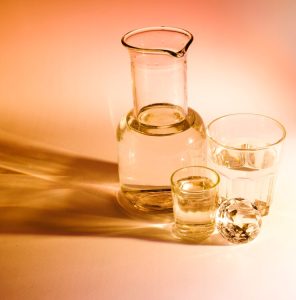
Its uses include hair oil, cleansing cream, dust-proofing agent, lubrication in textile industries, coating of eggs and fresh fruits. This product is odorless, colorless and tasteless and is soluble in natural solvents, but insoluble in water and alcohol. For this reason, it is widely used in various industries.
Cycloparaffinic paraffins or naphthenes
Cycloparaffins, or naphthenes, are hydrocarbons in which all the free bonds between carbon atoms are saturated with hydrogen atoms. These compounds are found in crude oil and are classified based on their boiling points.
Low molecular weight compounds, such as cyclopentane and cyclohexane, are usually available in separated form. However, for high molecular weight compounds, this separation is not usually done.
Types of paraffin: Industrial paraffin
Industrial paraffin is produced in two main ways:
- Acid method: In this method, slack wax (a solid product resulting from the separation of impure paraffins) is separated using a centrifuge. The product is then dried and purified using sulfuric acid. In the final stages, it is also purified using soil and then molded and packaged.
- Sweating method: In this method, after initial molding and oil extraction, the slack wax is purified using sweating and sulfuric acid treatment. The subsequent steps are carried out in a similar manner to the acid method.
Types of paraffin: Chlorinated paraffin
Chlorinated paraffin also refers to a group of chemicals that are used in polymer industries, especially in PVC production, as a plasticizer, flame retardant for plastics and rubbers, as a pour point depressant in paints, and as an additive in high-pressure engine oil. Domestically, 52% chlorinated paraffin is used as a plasticizer in the cable, artificial leather, flooring, etc. industries as a 52% chlorinated paraffin.
Types of paraffin: Normal paraffins
In the refinery, normal paraffins are produced by vapor-phase absorption of petroleum fractions. This method involves the use of molecular sieves with an average porosity of 5 angstroms. Vapor-phase absorption is carried out at pressures of 5 to 10 psig and temperatures of 300 to 350 degrees Celsius or 575 to 650 degrees Fahrenheit.
Ammonia is used to adsorb normal paraffins. In this method, two molecular sieve beds with a porosity of 5 angstroms are used. One bed is used for adsorption and the other bed is desorbing the paraffins. Due to contamination of the molecular sieves by other products, their capacity decreases and therefore they are regenerated by controlled combustion of heavy hydrocarbons. Usually, the regeneration operation is carried out after 12 months of operation of the molecular sieves.
Types of paraffin: Cyclic paraffins
Cyclic paraffins are mainly obtained from the hydrogenation process of aromatics. For example, cyclohexane is obtained from the hydrogenation of benzene. This process can be carried out using platinum or nickel catalysts under thermal conditions. Paraffins are mainly used as the main components in diesel and kerosene. Waxes are also extracted from crude oil and include hydrocarbons that are obtained as solid products.
In addition, paraffins are used in various industries. For example, slack wax is a petrochemical product that comes in different grades and is made up of various oils and fats. Also, foots oil or waste oil is obtained after the production of solid paraffins and is used in various industries.
In general, paraffins are valuable chemical compounds that can be used in various industries.
Paraffin preparation process
The process of preparing paraffin varies depending on its raw source (mineral or vegetable) and the extraction process. The process of preparing mineral paraffin and vegetable paraffin is explained below:
Preparation of mineral paraffin:
- Crude oil extraction: Mineral paraffin is extracted from crude oil. Crude oil is extracted from oil wells and transported to a refinery.
- Crude oil refining: Crude oil undergoes a refining process in a refinery. In this process, crude oil is broken down into different substances and the paraffin content is separated.
- Paraffin separation: Paraffin is separated from other petroleum products. This process involves heating or using special chemicals to separate the paraffin from the mixture.
- Purification and decontamination: The separated paraffin is purified and cleaned of possible contaminants to become the final product of mineral paraffin.
Preparation of vegetable paraffin:
- Collecting plant resources: Vegetable paraffin is extracted from plant sources such as seeds, fruits or vegetable oils. Depending on the type of vegetable paraffin, the source required is collected.
- Extraction: Paraffin is extracted from a plant source. This process involves the use of solvent solutions, heat, pressure, and other processes that help separate the vegetable paraffin from the source.
- Purification and decontamination: Vegetable paraffin is refined and cleaned of impurities and other undesirable substances to become the final vegetable paraffin product.
The exact steps and processes used in preparing paraffin may vary depending on the company and its specific processes.
Application of paraffin
Paraffin is used in various industries and applications due to its properties. Some of the uses of paraffin include:
- Candle making materials: Paraffin is used as a main ingredient in candle production. Due to its suitable melting and freezing temperatures, it creates candles with stable and long-lasting burning.
- Product protection: Paraffin is used as a protective layer on products such as fruits, vegetables, and metal parts to prevent them from rotting, drying out, or getting damaged during transportation and storage.
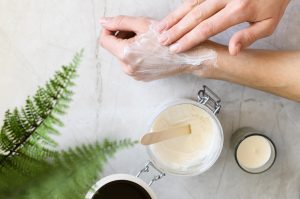
- Cosmetics industry: Paraffin is used as an emollient and humectant in the production of cosmetic products such as lotions, creams, and moisturizers.
- Dyes and colorants: Paraffin is used as an additive in the production of paints and colorants to make the paints more stable and adhere to the desired surface.
- Plastic and polymer industries: Paraffin is used as an additive in the production of plastics and polymers to add moisture-proof and water-repellent properties to products.
- Edible paraffin: Edible paraffin is used as a laxative, lubricant, and purgative, and a wide range of it is used for medicinal purposes and treatment of humans, livestock, and poultry, according to medical theory.
Final words
As a result, paraffins are of great importance as compounds with multiple properties and wide applications in various industries. Since paraffins have barrier, insulating, waterproofing and lubricating properties, they are used as raw materials or end products in the food industry, textile industry, electronics industry, oil and gas industry, agriculture and other industries.
In short, paraffins, as one of the vital compounds in various industries, provide countless possibilities and applications and are of great importance in technical, operational and commercial aspects. You can purchase this functional product in bulk from Arash Mahya Company.
Frequently Asked Questions
Paraffin has properties such as insulation, waterproofing, and lubrication.
Paraffin is used as a raw material or final product in the food, textile, electronics, oil and gas, agricultural, and other industries.
Paraffin is used in the food industry as a lubricant and additive.
Paraffin is used in the textile industry as a lubricant and fiber softener.