
What Are the Characteristics of High-Quality Paraffin?
Paraffin oil was discovered in the 19th century when Carl von's petrochemical industry was trying to refine oil compounds and increase efficiency. What are the characteristics of good paraffin and what are the types of paraffin?
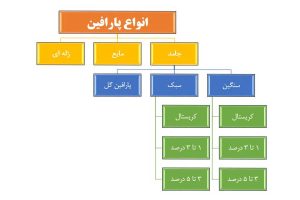
First, we will look at the history of paraffin and then we will discuss its types and uses. Paraffin specifications We will get acquainted and explain the process of producing industrial paraffin, chlorated paraffin, microcrystalline or heavy solid paraffin, and methods of distinguishing high-quality paraffin from low-quality paraffin. Paraffin has two types, solid and liquid, each of which has different uses and properties, which we will explain below.
Paraffin It is one of the most important materials that plays a significant role in industry and its use is increasing day by day. This practical material was first discovered by the German scientist Karl Ludwig von Reichenbach, who was born in Germany on February 12, 1788.
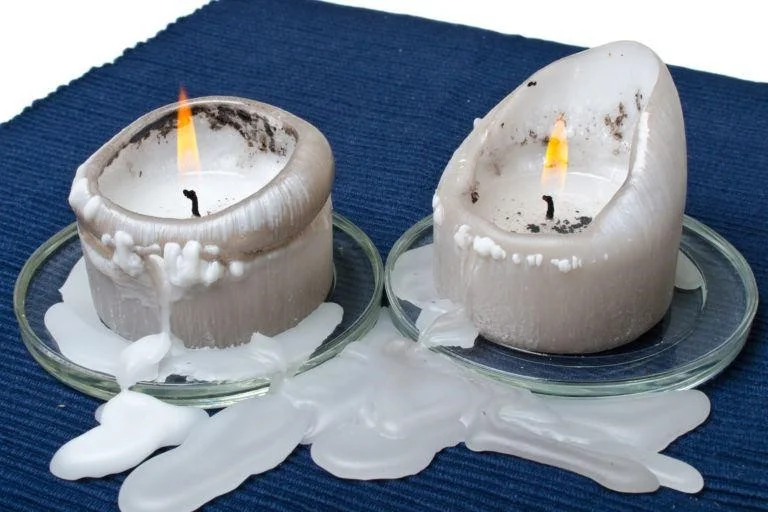
Since paraffin burns cleaner and safer than other common oils in candle making, its increased use became an important factor. The most important uses of paraffin in the early 20th century included candle making, meat packing, and oil production.
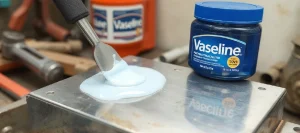
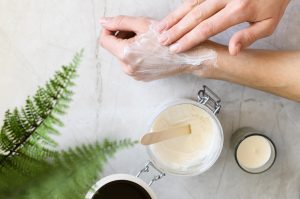
Paraffin is available in two forms: liquid and solid. Paraffin is sometimes found in jelly form, which is used in the manufacture of candles, and its liquid form is used in industrial applications.
Using paraffin to make candles
Paraffin is actually a petroleum-based substance that is available in both liquid and solid forms. Jelly and solid paraffin (paraffin wax) have long been used more than anything else in candle making.
From another Paraffin specifications This is because paraffins have different melting points, for example, the paraffin needed to make cast candles must have a melting point of 60 to 63 degrees.
Quality of paraffin for candle making
To change this text, click the Edit General button.
In stores, you can usually find only three types of paraffin for candle making.
1- Molded paraffin (acid) is mostly used in making old candles.
2- Crystalline paraffin (acid-free), which is used for making handmade candles due to its greater flexibility.
3- Glass or medical paraffin is suitable for producing candles made in glasses and containers because this type of paraffin is for producing candles with decorative items and is oily and completely paraffin-like. It is slippery and loose. Click. Lorem Ipsum is a fabricated text with an incomprehensible simplicity produced by the printing industry and using graphic designers.
Candles are generally divided into the following two categories:
- Candle
- Handmade candles
The difference between paraffin and natural waxes
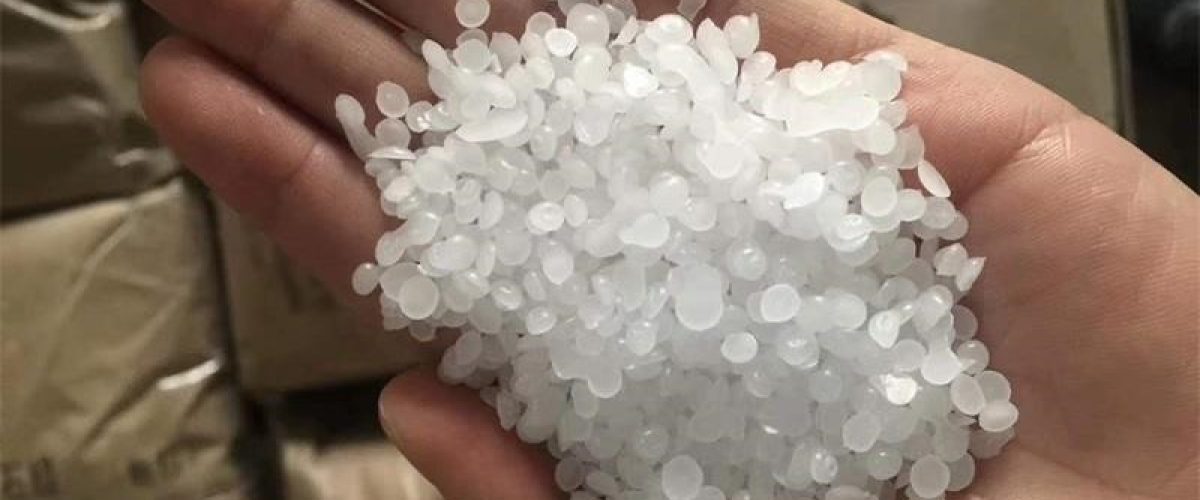
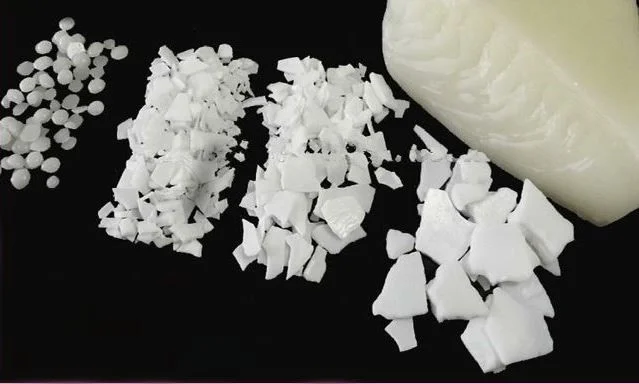
Paraffin wax is derived from crude oil, is lighter in color, odorless, and comes in different melting points. Paraffin wax is supplied from within and outside the country. Paraffin wax is available in bulk, slab, and pastille packaging, which are used in various applications.
Some important points about paraffin specifications:
1- Stearic acid (stearin): To help the paraffin harden, stearic acid (stearin) should be added to the paraffin. This substance increases the burning time of the candle. To see the burning time of different types of candles, you can refer to the candle price page.
2- Candles that are prepared in molds contain 2 to 5 teaspoons of stearic acid for 454 grams of paraffin (in fact, 100 grams are required for every 1 kilogram of paraffin.
3- The quality of paraffin can be determined by its color, among other things Paraffin specifications, is the quality of its color. So the whiter and clearer the color of the paraffin, the higher its quality.
The noteworthy point is that, on the other hand, Paraffin specifications This is because the main application of this product is in the candle-making, food, leather-making, etc. industries. Solid kerosene is widely exported to Central Asian and African countries.
Distinguishing high-quality paraffin from low-quality paraffin
To determine the quality and Paraffin specifications There are many things to say. High-quality paraffin has a light color, a dark color does not mean a high fat content. Paraffin colors can be made clearer and brighter with filters.
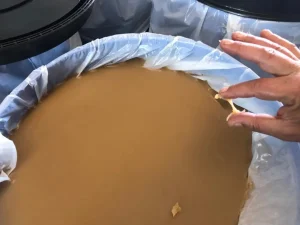
The best option is a low-fat paraffin board, which resembles a wooden board but does not crack when dropped on the floor. The paraffin board should show numerous crystal grains when exposed to sunlight. The paraffin should also not be soapy.
Diagnosis Paraffin purity Granules It's a bit difficult, but the best way is to first melt some paraffin granules, then cool them completely in a mold, and then perform the above operation to detect them.
Crystalline paraffin
The main component of this type of paraffin is slack wax and is obtained from melted paraffin. Among other things Solid paraffin specifications This is why solid paraffin is less commonly known as crystalline paraffin in the market. Paraffin crystals can have different percentages of oil based on consumer needs.
Slackwax is a composite material made from wax and petroleum, a by-product of motor oil factories and a key ingredient in the production of paraffin. It is derived from Lubcat, a by-product of the motor oil manufacturing process.
In the paraffin extraction process, flat wax is fed into the production system and after important processes such as regeneration and coloring, it is converted into the final product. This product is called paraffin wax. The oil obtained at this stage is converted into Fots Oil or residual wax, which is used for industrial purposes.
Microcrystalline or heavy solid paraffin
More than 90% of the solid paraffins available on the market are heavy and micro types, which can have different percentages of oil based on the series of reputable customers. This type of paraffin is heavy silica wax, which is obtained by pressing steel plates on packed silica wax at a certain temperature.
Industrial paraffin production process
The industrial paraffin production process can be one of the following methods:
1- Acid process: In this method, after re-melting the plastic wax and adding cold solvent acid, Impure paraffin It is separated from the center. After this process, the product is dried and purified with sulfuric acid. Final cleaning removes contaminants through soil and the residue is finally collected after filtration.
2- Sweating process: In this process, shortly after the first production, cleaning with hot oil and sulfuric acid continues, then the work continues with the same acid process (from the washing part).
Chlorinated paraffin
Paraffin chloratus refers to the hazards of valuable chemicals used in the polymer industry, particularly plasticizers in PVC, flame retardants for plastics and rubbers, anti-sag agents for paints and additives, and extreme pressure engine oils. (Additives) have a wide range of applications, and thousands of tons of these substances are produced and consumed annually.
Domestically, 52% chlorinated paraffin is widely used as a cleaning agent or in the cable industry, artificial leather, flooring, etc.