
Maybe this material is also used for you and you want to know more about it, so stay with us. What are the types of paraffin and what is the difference between 1% and 3% paraffin? Paraffin is extracted from oil or coal in the petrochemical industry and is a saturated hydrocarbon compound in which all the carbon atoms in it are connected to each other by simple bonds and form paraffin. In this article, we will discuss the difference between 1% paraffin and 3% paraffin.
Paraffin or paraffinic hydrocarbons are called alkanes. In other words, the property of these substances is that the carbon atoms are connected by single bonds and the remaining bonds are saturated with hydrogen atoms.
What is paraffin?
Paraffin can be briefly described as a petroleum-based substance that is available in both liquid and solid forms. Solid paraffin has a gel-like state and is sometimes known as paraffin wax.
In fact, whenever we talk about paraffin wax, the main meaning is solid paraffin. Edible paraffin can be used in the treatment of many diseases and in the medical industry, such as taking pictures of the body. In industry, paraffin is also used instead of lubricants and in the health industry in various creams and sunscreens.
Paraffin wax occurs primarily as a white, odorless, and tasteless wax with a typical melting point between 46 and 68 °C (115 and 154 °F) and a density of about 900 kg/m3. Paraffin is insoluble in water, but is soluble in solvents such as ether, benzene, and some esters.
The difference between 1% and 3% paraffin
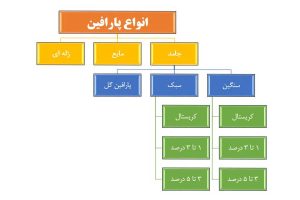
Be aware that when buying paraffin, you should pay attention to various points, one of the most important of which is its color, hardness, and fat percentage. These items can have a huge impact on the price of paraffin. For example, the price of paraffin with 1% fat is higher than that of 3% and 5%, so the difference between paraffins can be in their fat percentage.
In general, 1.3% and 5% paraffin oils have different melting points, freezing points, colors, and softening points. Also, the lower the amount of paraffin oil, the closer its color to white. So be sure to keep the difference between paraffin and its types in mind when buying.
Paraffin applications
It is interesting to know that this substance can be seen everywhere in life, from the cosmetics industry to the food industry. Paraffin is used. So stay with us to familiarize you with the uses of paraffin. The uses of paraffin include:
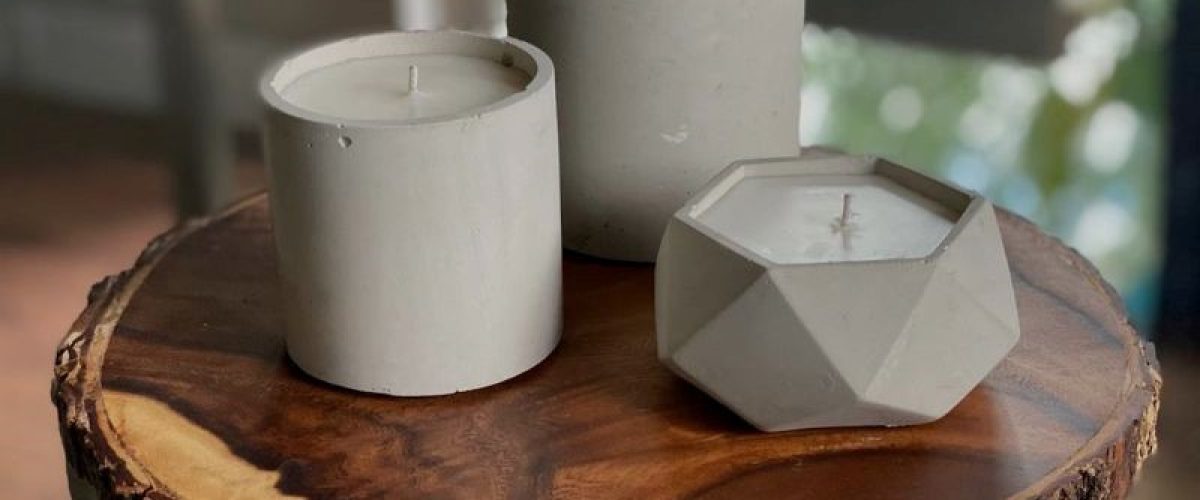
Candle making
Coating for wax paper
The presence of paraffin in the candle slows down the melting rate of the candle and makes it cheaper to manufacture and produce than other candles.
Cosmetics industry
Making different types of eyebrow pencils
Making colored pencils
Production of wax for cosmetic and therapeutic purposes
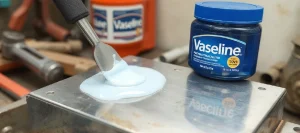
Moisturizers found in cosmetics, such as Vaseline
Making lubricants (lubricants are substances used to reduce friction between moving surfaces, making them move against each other easier and smoother than normal)
Food industry
Various and beautiful colors that are used in making sweets and are edible.
Coating for hard cheeses such as Edam cheese
Seals many cans and bottles
Antiozonant: A mixture of paraffin and other substances used in rubber compounds to prevent rubber from cracking.
Anti-mold agent in moisture and dust
Wavy wax compounds used to remove surface irregularities.
Solid fuel for multi-fuel rocket engines
Foundry industries
Used for concrete rails and gaps.
Print page
It can prevent polished steel and iron surfaces from oxidizing.
Mechanical actuator and thermostat as an opening device
Microphonics reduces guitar pickups.
Wax mixture used for ski boards
A thickening agent for many paintballs used with Crayola
Reducing deviation in the cement industry
Ink for thermal printers
History of paraffin production and use
Interestingly, paraffin wax was first discovered in the 1830s by a German chemist who was trying to create a device that could be used to break down and purify the waxy substances that naturally occur in oil.
Meanwhile, he accidentally discovered paraffin. Paraffin is a major advancement in the candlemaking industry because it is clean, works well, and is cheaper and more economical than other candle ingredients. Be sure to pay attention to the differences between paraffin and its types.
Paraffin initially has a low melting point, but this disadvantage is overcome by the addition of stearic acid, which hardens it. Paraffin production increased in the early 20th century due to the development of the meat and fat packaging industry, which in turn led to an increase in stearic acid production.
How to produce paraffin
Note that the raw material for paraffin production is shale wax, which is a mixture of oil and wax. The first step in making paraffin wax is degreasing or dewaxing (removing the oil) from the shale wax.
The oil is separated by crystallization. Typically, the loose wax is heated, then mixed with one or more solvents, such as ketones, and cooled. After cooling, the wax crystallizes from the solution, leaving only the oil.
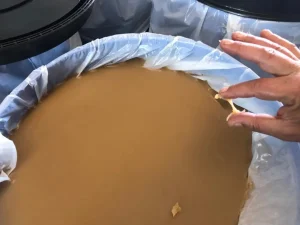
This mixture is separated into two parts: solid and liquid, which are filtered into the solid part (wax plus some solvent) and the liquid part (oil and solvent). After the solvent is recovered by distillation, the resulting product is called product wax (pressed wax).
The lower the percentage of oil in the wax, the longer it will take to refine. Some wax products require further processing to remove color and odor.
Finally, waxes can be blended to achieve desired properties such as melting point and penetration. Paraffins can differ from one another in their form, for example, paraffin wax is sold in liquid and solid forms.
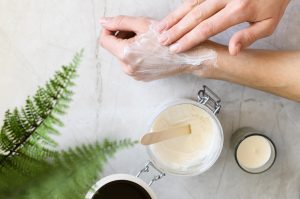
Today, with the spread of paraffin, a new method called paraffin therapy has attracted the attention of people. Paraffin therapy is a treatment method for problems such as arthritis and cracked skin. As a result of the thermal effect of this method, the exchange processes and the formation of biologically active substances increase.
As a result, in paraffin therapy, regeneration processes are stimulated and the work of capillaries is improved. The heat of paraffin also helps reduce pain in the joints and increases blood flow in the area of its location. As a result of the heat, a lot of water is removed from the skin and the epidermis layer is moisturized.
This method is useful for reducing the effects of skin aging. Its benefits include restoring the skin's ability to retain moisture, opening pores, improving sweat and oil glands, increasing blood circulation, and relaxation.
Conclusion
Paraffin is one of the most sought-after industrial chemicals due to its applications in various fields. Many companies are active in the field of buying and selling this material, but you must make your purchase from a reputable company to obtain a quality and guaranteed product.
Also, be aware that the price of paraffin varies depending on the volume of customer demand and the amount of use. The type of paraffin also plays a role in determining its price.