
To address the difference between solid and liquid paraffin, let's take a look at the definition of paraffin, Paraffin wax And we have liquid paraffin, stay with us.
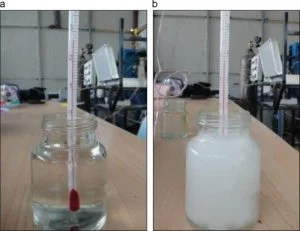
What is paraffin?
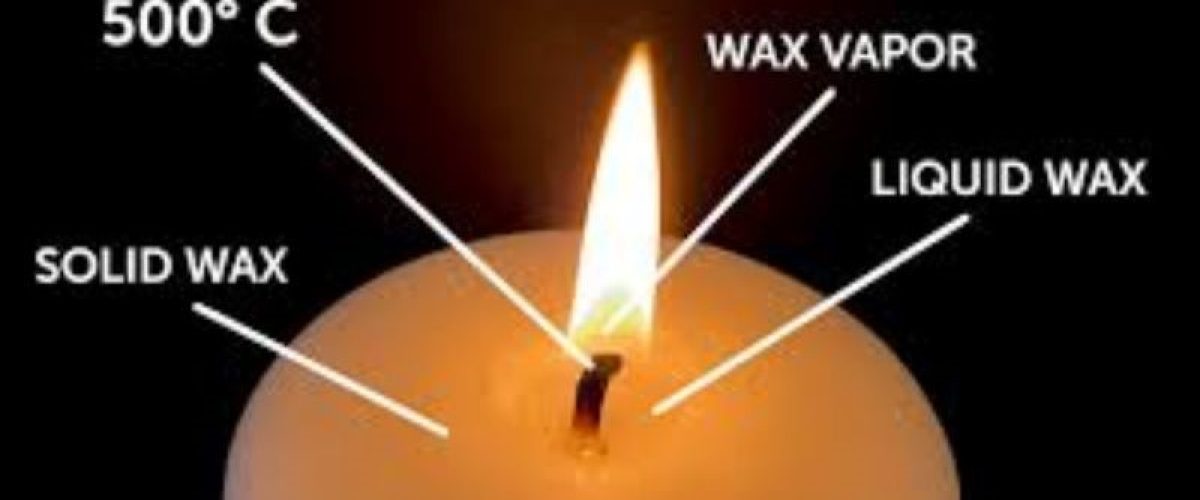
Paraffin is a term that can be used instead of "alkane". It is found in the solid state at room temperature and enters the liquid phase after about 37 °C. Liquid paraffin, also known as paraffin oil or kerosene, is a flammable hydrocarbon liquid that can be burned as a fuel.
Paraffin is a mixture of saturated hydrocarbons obtained from crude oil with a carbon number between 20 and 40, which has a uniform shape and no foreign matter and hardens at room temperature. The dissolved paraffin must be pure water and free from water, foreign particles and visible dirt.
The name of this chemical comes from the Latin word affinis + parum, which means inactive, referring to the unreactivity of paraffin.
Paraffins are the main component of petroleum and natural gas. Those with fewer than 5 carbon atoms per molecule are usually gases at room temperature, while those with 5 to 15 carbon atoms are usually liquids. A straight-chain variety with more than 15 carbon atoms per molecule is solid at room temperature.
Paraffin is less hazardous than gasoline, boiling at 150 to 275 degrees Celsius, and is mostly obtained from petroleum distillation. When it was first discovered, the cost of producing paraffin was high. However, as new sources and cheaper recycling methods were found, prices fell.
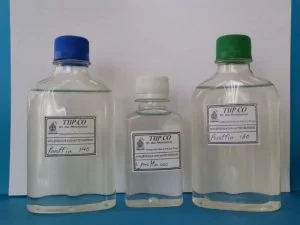
Paraffin applications
Paraffin comes in both liquid and solid forms, making it an incredibly versatile product with a wide range of applications in industries ranging from medicine and agriculture to cosmetics and toiletries. Although paraffin was first used as paraffin wax in candles in the 19th century, the oil has been used in many other forms since then.
Paraffin is commonly used as fuel for jet and rocket engines and as a fuel or fuel component for diesel engines and tractors.
Liquid paraffin It is a mineral oil that comes in two forms: heavy liquid paraffin or light liquid paraffin. Paraffin wax is as hard as wax, while liquid paraffin is very viscous and pure and can be used as a laxative.
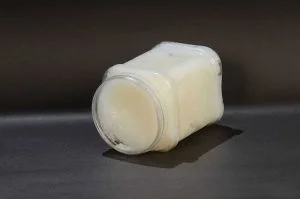
What Is Solid Paraffin?
Solid paraffin is a practical, natural and pure material. In fact, since this paraffin material is obtained from kerosene, it is considered a hydrocarbon material. Hydrocarbon materials such as solid paraffin are completely harmless and have many benefits.
The main raw material for the production of solid paraffin is soft wax, and solid paraffin is usually divided into two types according to the fat content: solid paraffin and microcrystalline paraffin 5.0 to 1% solid fat. The main application of this product is the production of candles, food, leather, etc. Solid paraffin is exported to Central and African countries.
Macrocrystalline or light paraffin:
This type of paraffin is less well known and is known as crystalline paraffin. It can also have an oil percentage according to the customer's order. The main ingredient of this type of paraffin is wax and paraffin is extracted through sweetening.
Microcrystalline or heavy solid paraffins
More than 90% of solid paraffins are heavy, microcrystalline, which can be ordered regularly. The main ingredient of this type of wax is soft paraffin, which is extracted by pressing loose wax sheets at a certain temperature.
Applications of solid paraffin
In general, solid paraffin is known by names such as paraffin wax, solid wax, among its other names can be paraffin wax. In chemistry, this substance is classified as an alkane and is not the result of specific chemical compounds. Paraffin has many different applications in industry, agriculture, humans and medicine. For lubricating industrial parts, producing cosmetic and medical products, treatment and physiotherapy, handicrafts and candlesticks, rubber industries, match production, paraffin in wires and cables, plastics and paints and adhesives, defense industries and ... .
Solid paraffin can actually be called a colorless substance obtained from petroleum that can be refined, processed, and produced with a wide range of physical and chemical properties using various refining methods. Paraffin waxes are mainly classified based on their oil content, which ranges from about 0.5% to over 20%. Variations in oil content may result in different physical and chemical behavior of paraffin.
Paraffin is commonly found in two types, fully refined and semi-refined, with a typical melting point between 46 and 68 °C (115 and 154 °F) and a density of about 900 kg/m3. It is insoluble in water, but soluble in ether, benzene, and some esters. Paraffin is unaffected by most common chemical reagents, but it burns readily. Its heat of combustion is 42 kJ/g.
Paraffin wax expands significantly when melted, making it possible to use it in thermostats with wax thermostatic elements for industrial, domestic, and especially automotive applications.
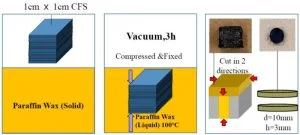
Liquid paraffin
Liquid paraffin is derived from petroleum and has a boiling point of 265 degrees Celsius, and is used in cosmetics and medicine. Liquid paraffin is a colorless oily liquid or a white oily liquid. Liquid kerosene is produced by various industrial waste incinerators and has many different uses.
Industrial paraffin is also used as a lubricating oil for industrial machinery. Industrial liquid paraffin is one of the materials used as a vehicle fuel.
Properties of liquid paraffin
Liquid paraffin or mineral oil is a clear, colorless, odorless or nearly odorless oil made from saturated hydrocarbons derived from petroleum. When Robert A. Chesebrough received a patent for a "new and useful petroleum product" in 1913, he recommended its use as a treatment for chronic constipation and intestinal colic.
The popularity of liquid paraffin as a treatment for constipation and frostbite is largely due to its tolerability and ease of titration. Although the conversion of mineral oil to hydroxy fatty acids has a stimulant effect, liquid paraffin appears to act primarily as a stool lubricant.
With long-term use, side effects are often associated with stimulant laxatives. These properties make liquid paraffin attractive for use in chronic constipation and diabetes.
When shampooing is not effective in removing dandruff, apply liquid paraffin to the scalp and then wrap it in a warm cloth. Liquid paraffin can also be used to reduce inflammation caused by diaper rash or eczema and to soften hardened earwax.
Liquid paraffin can be used to clean the hands of people who work with abrasive materials such as cement, bitumen, and industrial paints because it does not irritate the skin.
Although liquid paraffin is used for medicinal purposes, it can be dangerous if used incorrectly.