

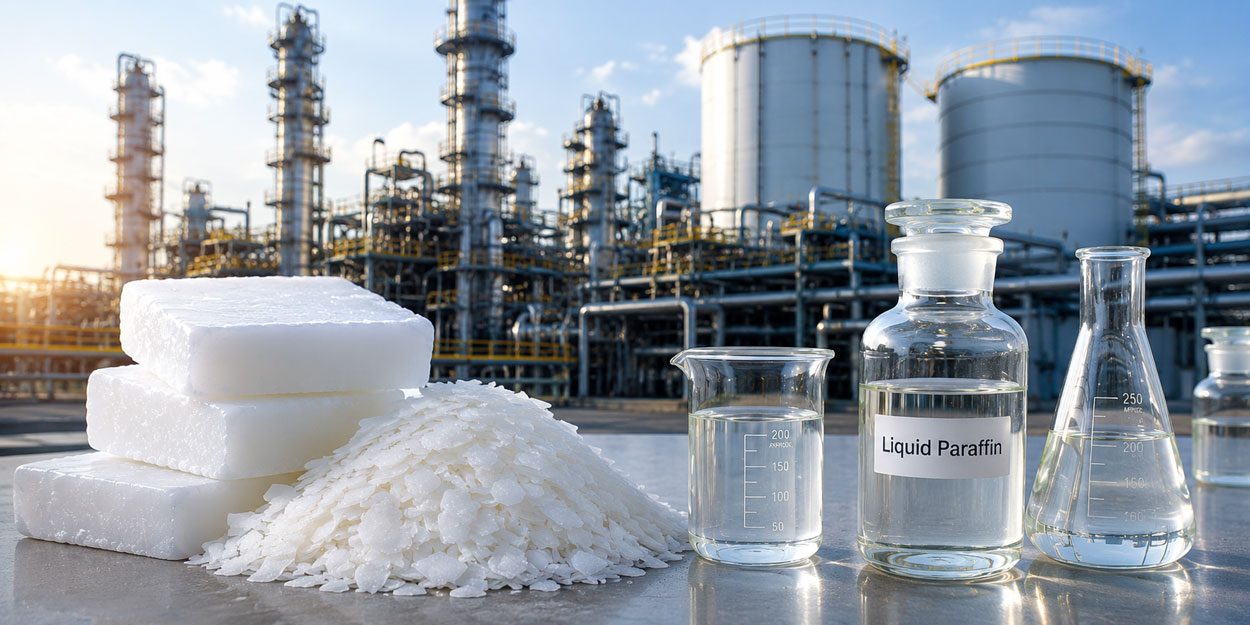
Paraffin is one of the most widely used petroleum products and industrial waxes, used in various industries from candle making and packaging to rubber, wood, paper, and cosmetics. This material, which is obtained from the refining process of crude oil, has found a special place in many industrial processes due to its characteristics such as chemical stability, resistance to moisture, and the ability to produce in different grades.
Summary:
Paraffin is a type of hydrocarbon wax obtained from crude oil refining. It is produced in two main types: solid and liquid. It is used in industries such as candle making, packaging, rubber, wood, and cosmetics.
However, paraffin is not a single product, and its different types differ in appearance, technical characteristics, and applications. Understanding these differences helps consumers and industry players choose the most appropriate option for their needs. In this article, we will learn about the nature of paraffin, its types, characteristics, and most important applications, and we will examine important points in choosing this product.
What is paraffin?
Paraffin Wax is a group of saturated hydrocarbon compounds that are obtained from the refining process of crude oil and can be produced and supplied in solid or liquid form depending on the type of processing. These compounds have become one of the most widely used industrial waxes in the world due to their chemical stability, resistance to moisture, and ability to be used in various conditions.
Paraffin wax is usually produced in white or colorless form and can have different physical properties depending on the production process and degree of purification. Factors such as melting point, oil content and purity play an important role in determining its quality and final application. For this reason, paraffin wax is not a single product and is produced and supplied in different grades and types for different uses.
Today, paraffin is used in many industries, including candle making, packaging, rubber production, wood, paper, cosmetics, and many other manufacturing processes. In fact, the wide range of applications and the possibility of producing it with various technical specifications have made paraffin one of the most important petroleum products used in various industries.
How is paraffin produced?
Paraffin is produced from heavy cuts of crude oil during the oil refining process. After the base oils are separated, some of the waxy substances in these cuts are extracted and, through various stages such as refining and oiling, they are converted into paraffin with different degrees of purity and properties.
The degree of refining and type of processing have a direct impact on characteristics such as color, oil percentage, melting point, and final quality of the paraffin. For this reason, manufacturers offer paraffin in different grades depending on the application to cover the needs of various industries.
In general, the more thorough the purification process, the higher the purity of the final product and the more suitable its performance in industrial and specialized applications.
What are the types of paraffin?
Paraffin is produced in different types based on its physical properties and processing method, but in general it can be divided into two main groups: Paraffin wax and Liquid paraffin Each of these products is used in specific industries, depending on its structure, technical specifications, and performance characteristics.
Choosing the right type of paraffin wax usually depends on factors such as the type of application, manufacturing process, required melting point, and other technical specifications. For this reason, understanding the differences between these two main groups can help you make a more accurate product selection.
Comparison of solid paraffin and liquid paraffin
Feature | Paraffin wax | Liquid paraffin |
Appearance | Solid (molded or flake) | Clear liquid |
Common uses | Candle making, MDF, packaging | Cosmetics, pharmaceuticals, textiles |
Important feature | Specific melting point | High purity and fluidity |
Paraffin wax
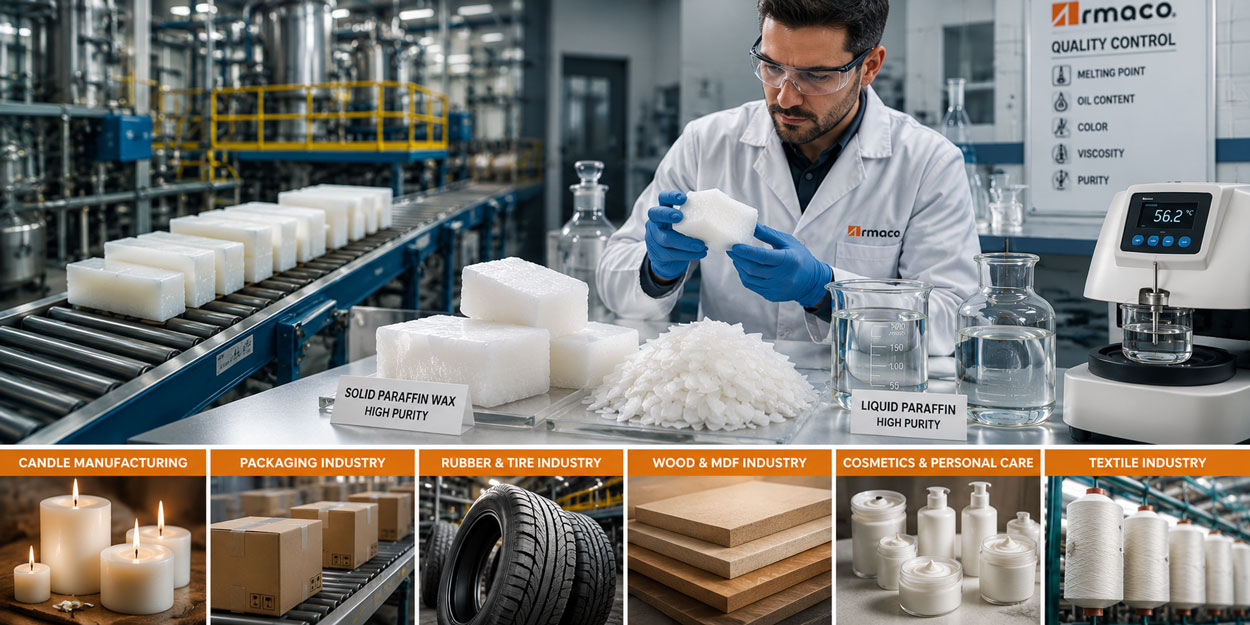
Solid paraffin is one of the most well-known types of paraffin, available in blocks or flakes. This type of paraffin usually has a specific melting point and a controlled oil percentage, and due to its good stability, it is used in various industries, including candle making, MDF board production, rubber, paper, and packaging.
If you want to learn more about the features, grades, and uses of this product, you can read the article Paraffin wax Study.
Liquid paraffin
Liquid paraffin is another widely used petroleum product that has a clear and fluid appearance and is used in various industries including cosmetics, pharmaceuticals, textiles, agriculture, and some industrial processes. This product is produced in various grades depending on the purity and type of processing, and each grade is suitable for a specific application.
To learn about the technical specifications, types, and uses of this product, we recommend the article Liquid paraffin Also read.
What are the most important properties of paraffin?
Due to its hydrocarbon structure, paraffin has a set of physical and chemical properties that have made it widely used in various industries. Of course, the importance of each of these properties depends on the type of consumption and production process.
The most important properties of paraffin are:
- Good chemical stability: Paraffin has low reactivity under normal conditions, and therefore exhibits stable performance in many industrial applications.
- Moisture resistance: This material is hydrophobic and can be used as a protective layer against moisture penetration.
- Ability to produce with different melting points: Depending on the production process, paraffin can be produced with different specifications to meet the needs of different industries.
- Possibility to control oil percentage and purity: The amount of oil in paraffin and its degree of refinement are factors that affect the quality and scope of the product.
- Flexibility in application: From candle production and cosmetic products to the rubber, packaging, and wood industries, paraffin can be used in a wide range of industrial processes.
In practice, choosing a suitable paraffin is not limited to the product name alone, and its technical specifications must be reviewed according to the needs of each industry and type of application.
What are the uses of paraffin?
The wide range of physical and chemical properties of paraffin has led to its use as a raw material or additive in various industries. The type of paraffin and its technical specifications determine its application and ultimate performance in each industry.
The most important uses of paraffin are:
- Candle making industry: One of the most well-known uses of paraffin is in the production of various decorative and industrial candles. The quality of burning, transparency, and malleability of the candle largely depend on the type of paraffin used.
- Packaging and paper industries: Paraffin is used to create a protective layer against moisture and increase the durability of some paper and packaging products.
- Rubber and tire industries: In the production of some rubber products, paraffin helps improve surface properties and increase resistance to environmental factors.
- Wood industries and MDF: Paraffin is used as a hydrophobic agent in the production of wood panels and similar products, reducing moisture absorption.
- Cosmetics and health industries: Some grades of paraffin, especially high-purity liquid paraffin, are used in the production of cosmetic, health, and personal care products.
- Other industries: Paraffin is also used in areas such as textiles, agriculture, matchmaking, chemical production, and some other industrial processes.
Given the variety of applications, choosing the right type of paraffin is very important because each industry requires a product with specific technical specifications and features.
What should you consider when choosing paraffin?
Choosing the right paraffin is not limited to knowing the product name, but also requires consideration of its technical characteristics and type of application. In many industries, using the wrong paraffin can affect the quality of the final product or the performance of the production process.
When choosing or purchasing paraffin, it is best to pay attention to the following:
- Application type: First, it must be determined for which industry or process paraffin is used, because the needs of different industries are different.
- Melting point: One of the most important technical specifications is paraffin and it must be selected according to the conditions of use.
- Oil percentage and purity level: These two factors can affect the appearance, quality, and performance of the final product.
- Product quality and uniformity: Especially in industrial and export uses, the stability of technical specifications in each production series is of great importance.
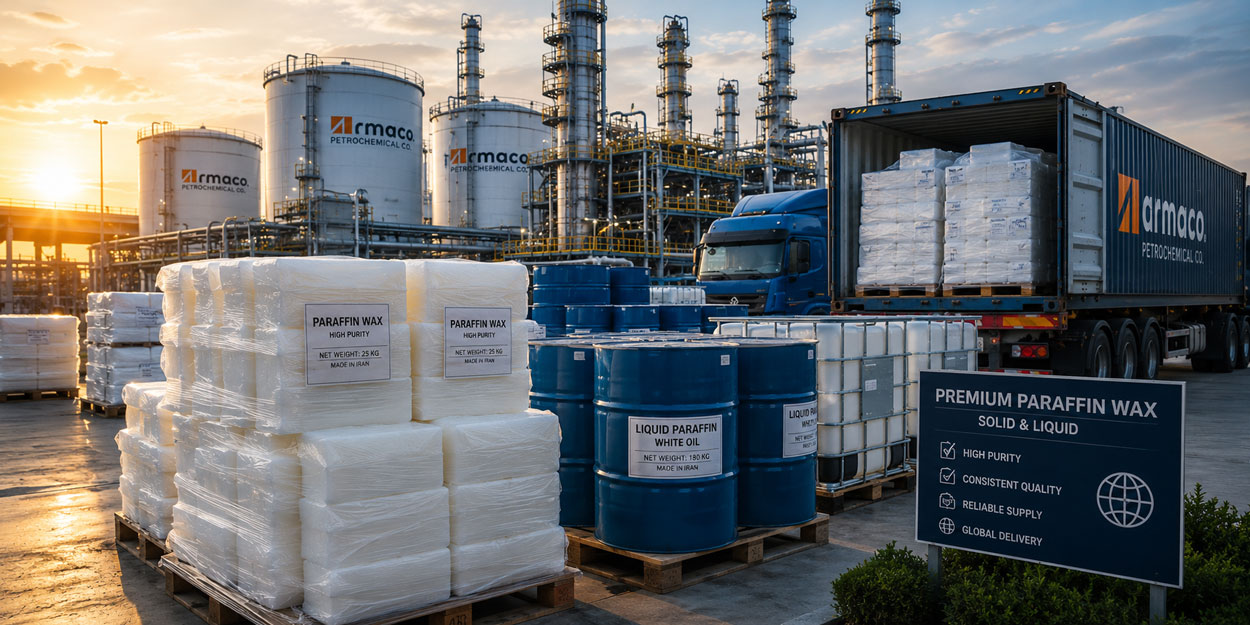
- Procurement from reliable sources: Working with well-known manufacturers and suppliers can provide greater assurance of product quality and supply stability.
In general, the more closely the technical specifications of paraffin match the actual needs of the consumer, the more desirable performance and better results will be achieved in the production process.
Conclusion
Paraffin is one of the most important petroleum products and industrial waxes, which is used in various industries due to its variety of technical specifications and wide applications. Choosing the right type of paraffin depends on factors such as the area of use, melting point, purity, and other technical characteristics. If you want to get more specialized information about each type of paraffin, you can read related articles. Paraffin wax and Liquid paraffin Also read: Familiarity with the characteristics of each type of paraffin will help you make a more informed choice and improve the quality of the final product.