

In response to the Halal question Paraffin What is it? In short, paraffin solvents are compounds that can dissolve paraffin, a saturated hydrocarbon. Paraffin is naturally found in solid or liquid form, but in many industrial and laboratory processes, it is necessary for this substance to be dissolved for easier use. Solvents such as benzene, xylene, toluene, and carbon disulfide are used to dissolve paraffin. These solvents are usually non-polar and can dissolve paraffin at different temperatures.
Paraffin dissolved in these solvents is used in various fields such as pathology laboratories for preparing tissue samples, candle-making industries, producing waterproof coatings, producing lubricants, and even in the pharmaceutical industry for making ointments and hygiene creams. In general, paraffin solvents facilitate industrial and research processes and improve the efficiency of various products.
What is paraffin solvent?
Paraffin solvents are chemicals that are capable of dissolving paraffin, a saturated hydrocarbon. These solvents are usually non-polar and include benzene, xylene, and toluene, which are used in industrial and laboratory processes to dissolve paraffin. Paraffin solvents are commonly used in applications such as candle manufacturing, pharmaceutical industries, and pathology laboratories.
Types of paraffin solvents
There are various solvents for dissolving paraffin, including:
Benzene: A high-strength non-polar solvent widely used to dissolve paraffin.
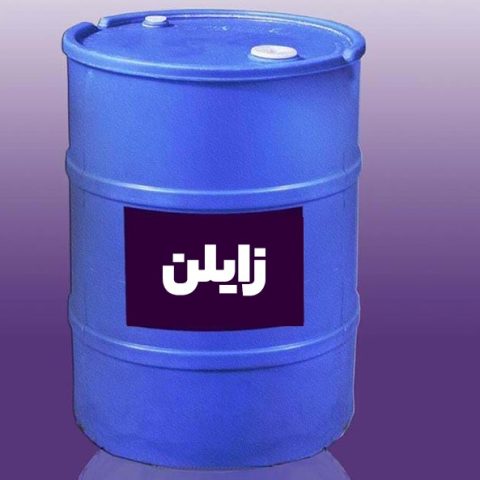
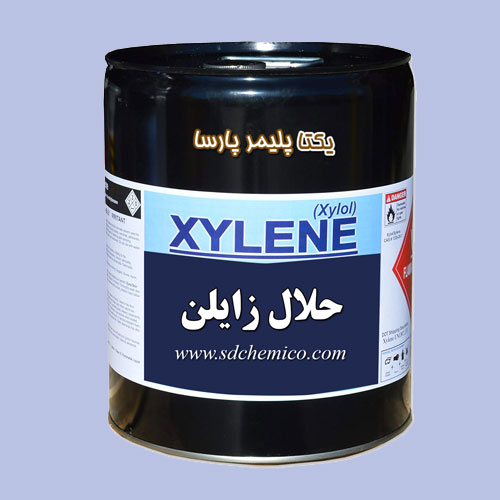
Xylene: An organic solvent similar to benzene that is used in industries and laboratories to dissolve paraffin.
Toluene: Another strong solvent that can dissolve paraffin and other similar compounds.
Carbon disulfide: An effective and powerful solvent for dissolving paraffin, especially in complex mixtures.
Gasoline: A common solvent for paraffin used in candle making and other industrial processes.
Carbon tetrachloride: This solvent is also used to dissolve paraffin under certain conditions.
The most important applications of paraffin solvent
Paraffin solvents are very important in industries and laboratories for dissolving this hydrocarbon compound. These solvents help facilitate various processes such as preparing laboratory samples and producing various products.
Preparing tissue blocks in laboratories
In pathology, paraffin solvents are used to remove water and clean tissues before embedding them in paraffin. This process helps create fixed tissue blocks that are suitable for microscopic examination.
Candle making
In candle production, paraffin needs to be dissolved so that it can be molded into the desired shape. Solvents such as benzene or toluene are used to dissolve the paraffin and shape the candles.
Food industry
In some food industrial processes, paraffin solvents are used for packaging and coating food items such as fruits and vegetables to extend their shelf life.
Medical care
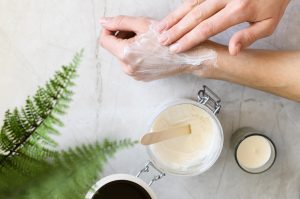
In pharmaceutical and health product manufacturing, paraffin solvents are used to prepare ointments, moisturizers, and other products. These solvents help to ensure that paraffin compounds are evenly and effectively incorporated into the products.
Characteristics of paraffin solvent
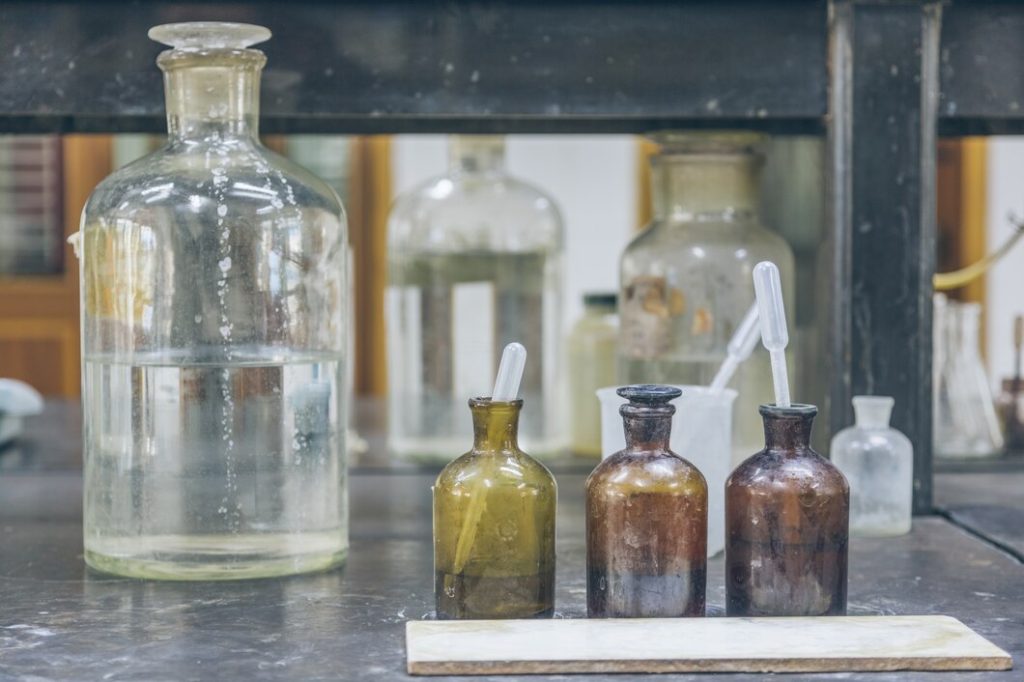
Paraffin solvents have special properties that make them very suitable for use in various industries. One of the most important properties is their solvency, which easily dissolves paraffin at various temperatures. This property is very important in processes such as preparing laboratory samples or producing chemical products.
Paraffin solvents typically have high boiling points, which allows them to be used at high temperatures without evaporating. This property makes paraffin solvents widely used in industries such as candle making and the production of high-temperature products.
Additionally, paraffin solvents are typically resistant to water and polar solvents due to their specific chemical composition and readily dissolve in non-polar media. This makes them a good choice for applications that require non-aqueous solutions, such as the oil and gas industry or pathology laboratories.
These solvents are also generally non-toxic and safe in industrial environments, provided they are used according to safety guidelines. Hence, they are widely used in various industries including medical, pharmaceutical, and even food industries.
What is paraffin solvent made of?
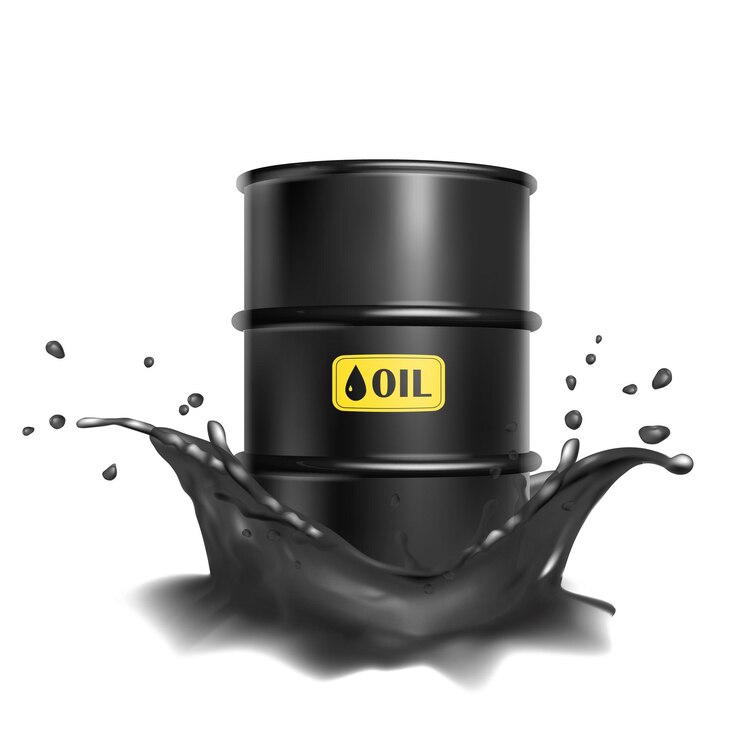
Paraffin solvents are mainly derived from petroleum compounds. These solvents are extracted from the refining and processing of crude oil, during which more complex molecules are converted into simpler, non-aromatic compounds. In other words, paraffin solvents are made from saturated hydrocarbons, especially alkanes (hydrocarbons with single bonds between carbon atoms). In this process, compounds with heavier molecules are removed, leaving lighter, clearer substances that dissolve easily at different temperatures. These substances are then refined into various solvents and used in various industries.
Using these methods, paraffin solvents are usually of high purity and are known as nonpolar solvents that dissolve easily in dry environments, but do not dissolve in polar solvents such as water.
Important tips on how to use paraffin solvent?
To use paraffin solvent safely and effectively, there are a few important things to keep in mind. First, avoid direct contact of the solvent with the skin and eyes, as it can cause irritation and damage. Also, when working with these solvents, appropriate protective equipment such as gloves and safety glasses should be worn. In enclosed environments, proper ventilation and the use of a mask to prevent inhalation of paraffin vapors are essential.
After finishing the work, it is recommended to wash hands thoroughly and wear protective clothing. Also, avoid eating or drinking while using paraffin solvent.
Conclusion
Paraffin solvent is one of the most important and practical compounds used in various industries such as medicine, pharmaceuticals, candle making, and food industries. Due to its special properties, such as transparency and ability to dissolve paraffins, this solvent is widely used in various processes such as the production of moisturizing creams and candle production.
Proper use of this solvent requires safety precautions, including the use of protective equipment, proper ventilation, and thorough hand washing, to minimize the risks of contact with or inhalation of its vapors. For more information on the types of solvents and related products, you can visit Arash Mahya Visit and get additional information.
Frequently Asked Questions
Paraffin solvent is used in various industries, including pharmaceutical, medical, candle-making, and food industries, due to its dissolving properties. This solvent is especially used in processes such as producing moisturizing creams, producing beautiful candles, and improving the shelf life of fruits and vegetables.
Paraffin is not normally soluble in water. It is soluble in non-polar organic solvents such as benzene, toluene, and xylene. This property allows it to be used in various processes such as extraction and production of paraffin products.
When working with paraffin solvent, it is essential to use safety equipment such as gloves, face shields, and masks. You should also avoid working in enclosed spaces without proper ventilation, and wash your hands and equipment thoroughly after finishing work.
Paraffin solvent is produced from the oil refining process. First, crude oil is subjected to various chemical processes to obtain pure paraffin. This paraffin is then converted into solvent using various methods such as steam and temperature.